Small Space, Big Impact: Building An Accessory Dwelling Unit
The Greater Austin area is growing at an incredible pace—and it’s not going to stop anytime soon. According to recent U.S. Census data, the Austin-Round Rock-San Marcos Metropolitan Area added more than 50,000 residents between 2022 and 2023 alone. That surge keeps Central Texas among the nation’s fast-growing regions, and as a result, housing demand has skyrocketed.
Finding affordable, accessible housing becomes more difficult as populations rise. Homeowners, city planners, and investors across the region are seeking creative ways to expand housing without overdeveloping neighborhoods or losing Austin’s unique charm.
That’s where Accessory Dwelling Units (or ADUs) come in. These small but mighty spaces are redefining how Austinites think about living, working, and investing in property. Let’s take a closer look at what goes into developing your residential property with expert Accessory Dwelling Unit builders.
What Is An ADU?
Sometimes called an Additional Dwelling Unit, an Accessory Dwelling Unit is a fully functional living space built on the same property as a single-family home. According to the City of Austin’s Land Development Code, an ADU qualifies as a separate dwelling if it:
Includes a habitable space
Has a full bathroom
Contains a sink or dishwasher outside of that bathroom
ADUs must also meet requirements for zoning, utility meters, internal access, occupancy, and addressing.
Simply put, an ADU is a self-contained home on your property. It’s a space that can serve as a guest suite, a rental apartment, or even a private home office, all while offering independence and privacy.
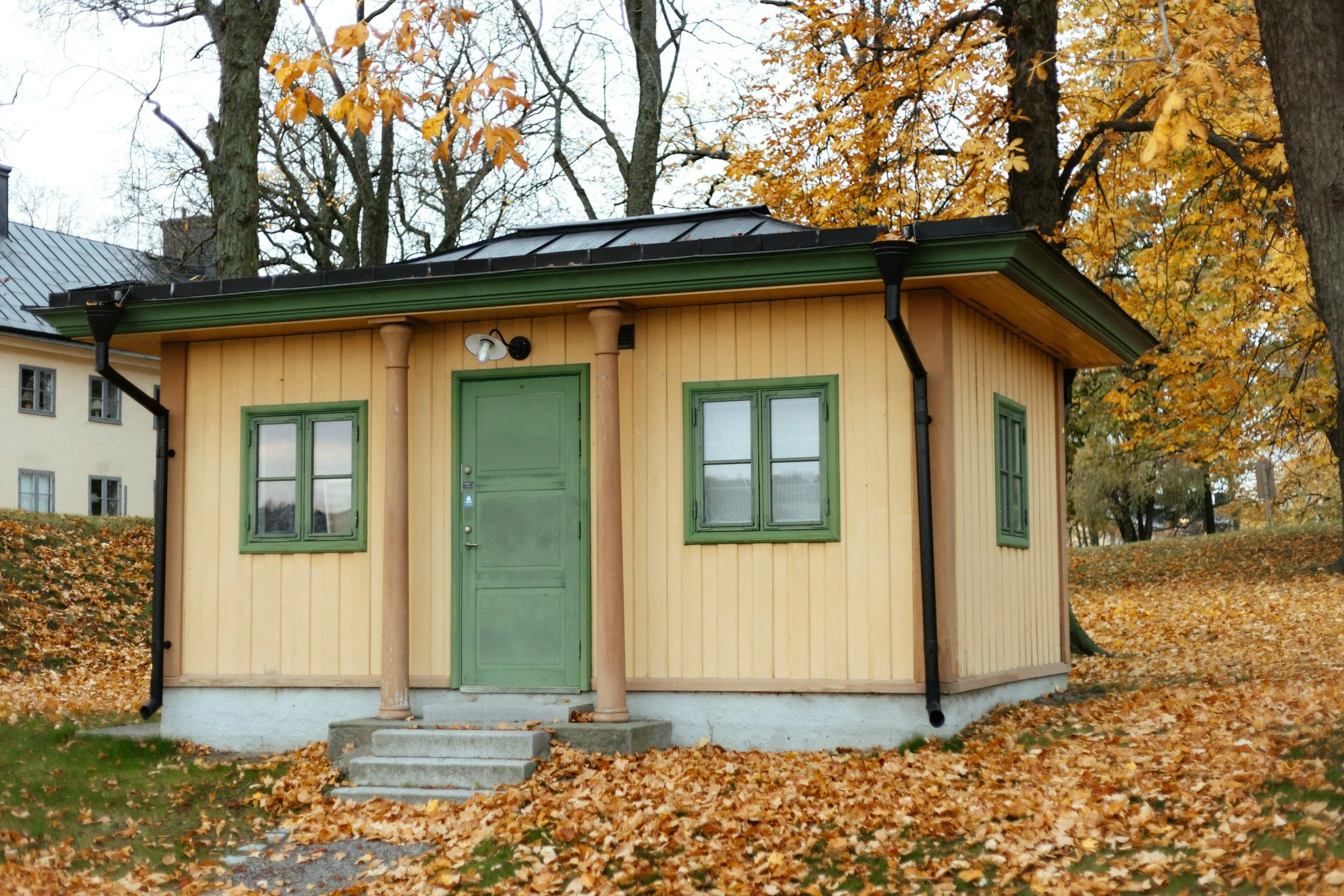
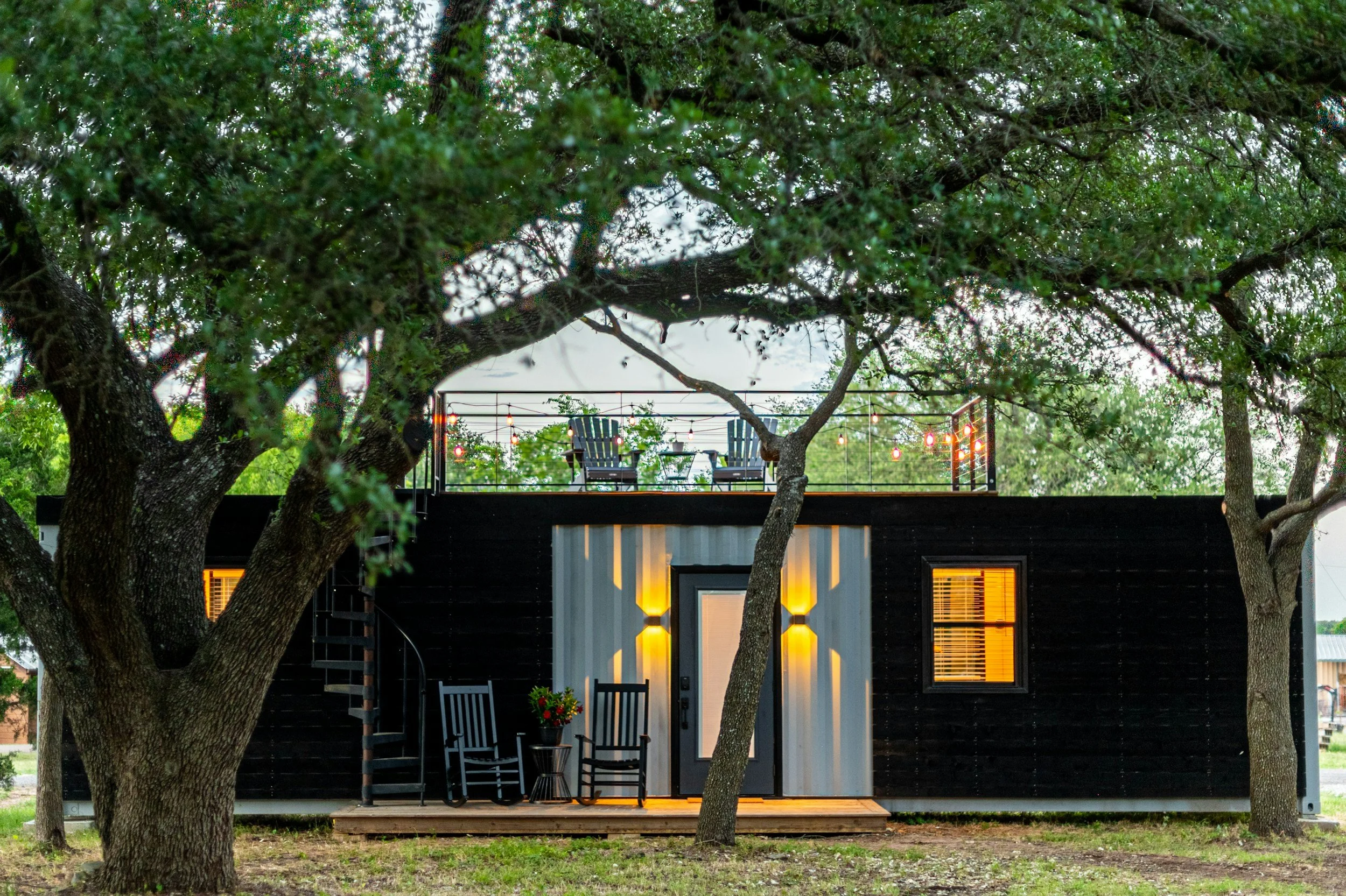
Depending on your property and needs, ADUs can take a few different forms. Detached ADUs are standalone structures, such as backyard cottages. Attached ADUs connect to the main house, but offer a separate entrance for that aforementioned privacy. There are even over-garage ADUs that are built above a garage to add vertical living space.
Each design brings unique advantages to the table, making ADUs one of the most adaptable and efficient housing options for Austin homeowners.
Why Are ADUs Gaining Popularity?
ADUs have become a cornerstone solution to Austin’s housing challenges, and for good reason.
They allow homeowners to add livable space without expanding urban sprawl or straining infrastructure. Instead of developing new land, residents can make better use of what they already have. Detached ADUs, in particular, offer a cost-effective alternative to purchasing new property or undergoing major remodels.
Many homeowners are also turning to eco-friendly materials and energy-efficient systems to reduce their environmental impact and monthly utility bills. Across the nation, the demand for green-certified properties only continues to grow.
Beyond sustainability, ADUs offer flexibility and financial freedom. Depending on your goals, you can use an ADU as:
Rental Income: Generate passive income by renting out the unit. (Be mindful of your area’s rules on long-term and short-term rentals.)
Home Office or Studio: Ideal for remote workers or small business owners.
Multigenerational Living: Give aging parents or adult children their own independent space while keeping family close.
Guest House: Provide a comfortable retreat for visiting friends and relatives, no hotel required.
By offering these affordable, flexible living options, ADUs contribute to more diverse and inclusive neighborhoods while preserving the welcoming character that makes Austin special.
What Should I Consider Before Building An ADU?
While the idea of building an ADU sounds exciting, it’s important to understand the logistics and requirements before breaking ground. Here are key things to consider as an Austin property owner:
Zoning & Size
Your property must be zoned SF-1, SF-2, or SF-3—Austin’s single-family residential designations. The minimum lot size is 5,750 square feet, ensuring there’s adequate room for the new structure. The maximum ADU size depends on your zoning district and location, but all must comply with city code for spacing, fire separation, and utilities.
Livability Standards
An ADU is designed to function as a true home, not just an add-on or storage unit. Beyond the bathroom that you are required to have, include a living area, a sleeping space, and a kitchen or kitchenette. This eliminates the need to enter the primary residence.
You might also opt for an outdoor space, such as a deck, patio, or small garden. These touches serve to make the unit feel like its own property while enhancing the level of comfort
Sustainability & Design Choices
If using eco-friendly materials and energy-efficient appliances is important to you, discuss it with your contractor. They may already be planning to go this route. After all, ADUs are great for incorporating sustainable design principles on a smaller scale, creating a compact, efficient home with lasting value.
What Can I Expect From The Building Process?
Building an ADU is a detailed but rewarding process. Along the way, you can expect:
Planning & Budgeting
First, clarify your purpose and goals. Will this unit be a rental? A workspace? A home for family? Your intended use determines your layout, finishes, and budget priorities.
Costs vary depending on size, materials, and utility needs, as well as the type of ADU you are building. So, communicate clearly with your contractor about budget constraints. And as with any construction project, set aside a contingency fund for unexpected expenses that may arise.
Permitting & Regulations
Before construction begins, you will need to obtain the proper permits from the City of Austin. An experienced ADU specialist can streamline this process, saving you significant time and compliance headaches. They know what you need to meet local standards to avoid delays.
Design & Layout
A thoughtful design maximizes comfort and function. Since space is limited, consider built-in storage and strategic window placement to make the unit feel open and inviting. For aging residents, accessibility features are an especially smart investment, one that can help further boost property value.
Construction & Inspection
Once plans are approved, construction can begin. This stage includes foundation work, framing, utilities, and finishing. Expect periodic inspections throughout the process to ensure compliance with safety and quality standards.
The Finishing Touches
After construction wraps up, it’s time to add your personal flair. Add beautiful landscaping, cozy furnishings, and decor and appliances that fit your style. Whether modern and minimal or warm and rustic, finishing details make your ADU feel like home.
What Does The Future Of ADUs Look Like?
Across the U.S., cities like Los Angeles, Portland, Seattle, and Denver are paving the way in ADU-friendly development. Streamlined permits and simplified regulations have made it easier for homeowners to build, and Austin is following suit.
Local leaders continue to update zoning and encourage small, affordable homes that make smart use of existing land. ADUs are at the heart of this movement—a sustainable, community-focused approach to urban growth that reflects Austin’s innovative spirit.
With their versatility, relatively low cost, and seamless fit within established neighborhoods, ADUs are poised to become one of the most effective tools for addressing housing needs.
If you’re ready to explore what’s possible for your property, it’s time to talk to the experts. Hunter Harvey Outdoor Structures can help you navigate the process from start to finish, bringing your Accessory Dwelling Unit vision to life with professionalism and precision. Reach out today to discuss your needs, whether you are a homeowner in Austin, Dripping Springs, Wimberley, or Kyle.
