How To Find A Reliable Home Remodeler In Central Texas
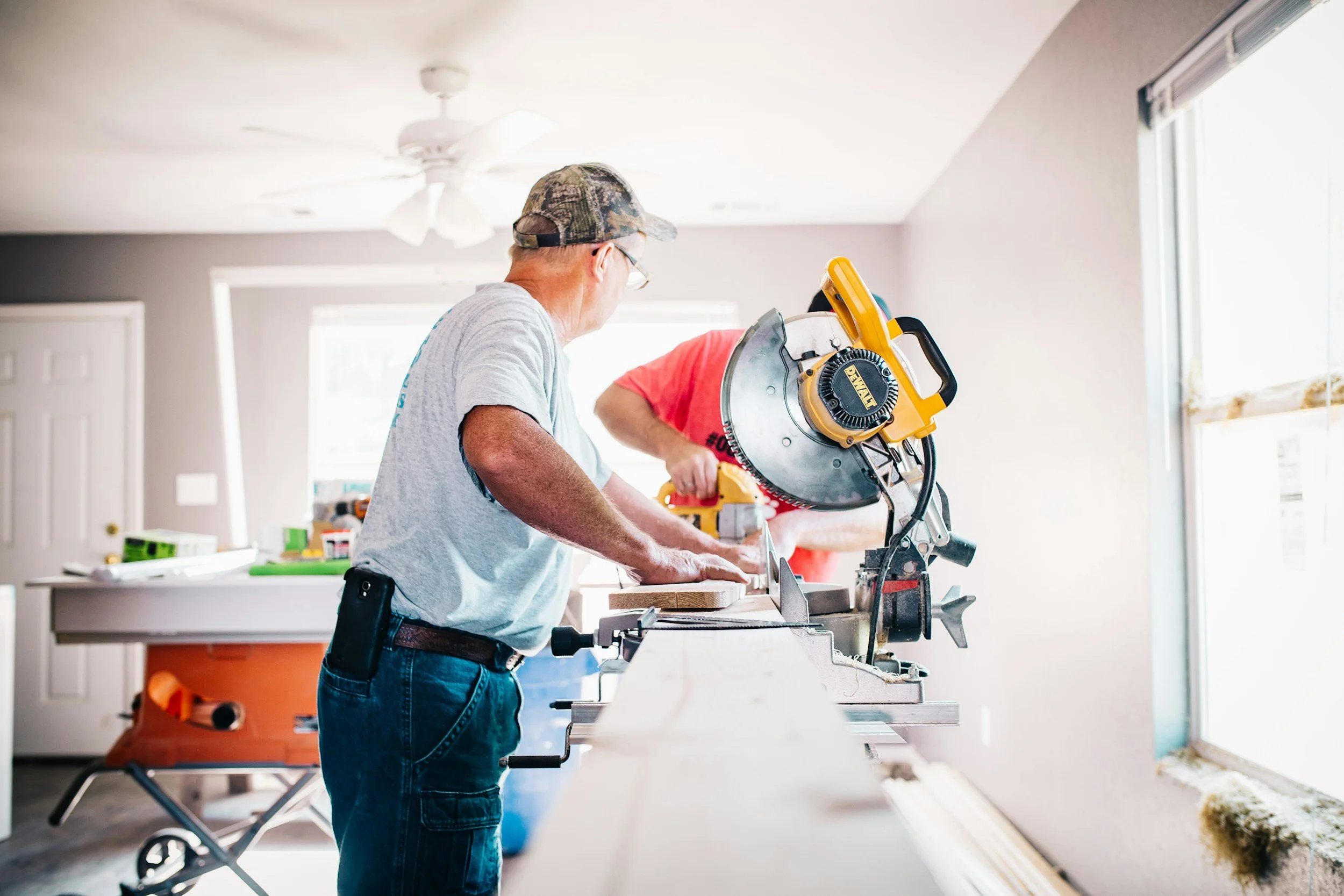
You’ve decided it’s time to take the plunge and start that long-awaited home renovation or remodel. Maybe you’re finally ready to expand your outdoor living space into the backyard oasis of your dreams. Whatever the project, choosing the right contractor can make the difference between a seamless transformation and a stressful, expensive headache.
That said, with so many construction professionals to choose from in the Greater Austin area, how do you know which team is truly right for the job? There’s more to it than comparing quotes or scrolling through photos. The right remodeler will ensure your project is completed safely, efficiently, and beautifully—and they’ll set that expectation from day one.
Before signing any contractors or cutting any checks, here’s what to look for before you hire.
The Builder Basics
Every home improvement project should start with the fundamentals: legality, safety, and professionalism. These essentials help you separate qualified experts from those who only claim to be.
In Texas, trade contractors performing work such as electrical, plumbing, mechanical, irrigation, right-of-way, or fire line installation must be licensed by the state. In Austin specifically, they must also be registered before performing any work.
While general contractors don’t need a state license to pull a building permit, they are responsible for ensuring that all trade professionals working under them meet licensing requirements. A reputable contractor will have documentation ready and will never hesitate to share it.
During the planning phase, discuss who will obtain permits and schedule inspections. Clarifying this early avoids confusion and keeps your project compliant. Regular inspections throughout construction also help catch issues early, saving time, money, and frustration down the line.
Just as important is proof of liability and workers’ compensation insurance. These protect both you and the crew in case of accidents or property damage. If a contractor hesitates to show proof of insurance, that’s your cue to walk away.
Finally, obtain at least three bids for the same scope of work. Comparing quotes gives you a realistic idea of cost, but remember—the lowest bid isn’t always the best value. Evaluate each proposal based on what you’ve learned about the contractor, not just price.
The Power Of Reputation
When it comes to hiring a construction professional, reputation is everything. A strong track record reflects reliability, consistency, and pride in their craftsmanship.
You should begin your search by asking people you trust. Recommendations from friends, family, or neighbors who have recently completed similar projects can offer valuable, honest insight into professionalism and work quality. You’ll quickly learn what went smoothly and what didn’t.
If you don’t have personal referrals, turn to community forums, social media groups, or local directories. Local contractors tend to be well-known in their community if they do great work.
While online, look for patterns rather than isolated complaints. Are clients generally happy? Does the contractor respond respectfully to feedback? Just like any other purchase, we’re drawn to businesses with positive reviews and glowing testimonials. Construction is no exception.
Once you’ve narrowed down your list of candidates, check how long each company has been in business. Established contractors typically have subcontractors, proven systems, and a network of satisfied clients. Just as importantly, they’ll still be around after the project’s complete to handle warranties or follow-up needs.
The Project Experience
After confirming that your potential contractor is reputable, it’s time to evaluate their hands-on experience and compatibility with your specific project.
Ask to see examples of their work, whether in a digital portfolio or, if possible, in person. Pay attention to craftsmanship, attention to detail, and consistency. This will help you gauge whether their style aligns with your vision.
When interviewing them, go beyond surface-level questions. You’re not just hiring a builder—you’re hiring a project manager and a problem-solver. Questions you can propose are:
What projects have you completed that are similar to mine? What did those entail?
How many other projects will you be managing while working on mine?
How long have you worked with your current subcontractors?
How do you handle unexpected challenges or changes in scope?
Their answers will reveal how they operate, how organized they are, and how they handle pressure. These are key qualities for a successful partnership that you can feel confident in.
At this time, stay alert for red flags. High-pressure sales tactics, reluctance to provide references, or vague answers about experience should raise concerns. True professionals are transparent, patient, and thorough. If something feels off, trust your instincts and keep looking.
The Level Of Communication
Even the most skilled contractor can fall short without good communication. Clear, regular dialogue ensures that expectations, budgets, and timelines all stay aligned.
You’ll be in close contact with your contractor through construction—and perhaps even afterward for follow-ups—so establish a communication routine that works for both of you. That might look like phone calls, emails, or in-person meetings. The frequency of communication may depend on the project’s size, but you want consistency.
Discuss how and when you’ll receive updates, who your primary contact will be, and how major changes or emergencies will be handled. Setting these expectations upfront helps avoid confusion later.
Also, pay attention to how your contractor communicates during early conversations. Do they return calls promptly? Are they willing to answer your questions thoroughly? Do they explain next steps in a way that makes sense? A great builder keeps you informed, not overwhelmed.
Renovations and remodels can be stressful, even under ideal conditions. That’s why working with a team that listens, values your input, and communicates proactively is priceless. After all, you’re looking for a collaborator who respects your vision and knows how to bring it to life.
The Protective Contract
Before any work begins, make sure everything is in writing. A detailed contract protects both you and your contractor while providing a roadmap for the entire project.
Don’t allow work to start until everyone has reviewed and signed an agreement that spells out the specifics. A comprehensive contract should include, but is not necessarily limited to:
The scope of work (what’s being done and where)
Project timeline and estimated completion date
Detailed costs and payment schedule
Responsibilities of each party
Change order procedures
Warranty information
A high-quality construction professional will never resist providing this level of transparency. In fact, they’ll encourage it because clarity benefits everyone.
Of course, even the best-laid plans can change. But surprises don’t have to derail your project. Any modification, no matter how small, should be documented and approved before proceeding. This way, everyone stays on the same page.
While disputes are rare with reputable builders, your contract should outline how conflicts will be resolved, whether through mediation or another process. Having a plan in place promotes fairness and prevents unnecessary tension if issues arise.
A well-crafted contract is the foundation for a successful build, an official promise of what will be delivered.
Your project deserves nothing less than excellence. That’s why our team at Haunter Harvey Outdoor Structures is committed to handling every detail with care, ensuring your home improvement journey is stress-free. Get in touch to learn more about what we can do for your home and schedule a consultation today. We work in Austin, Wimberley, Dripping Springs, and Kyle.
